The Story of the Shakya: The Clan of Śākyamuni Buddha
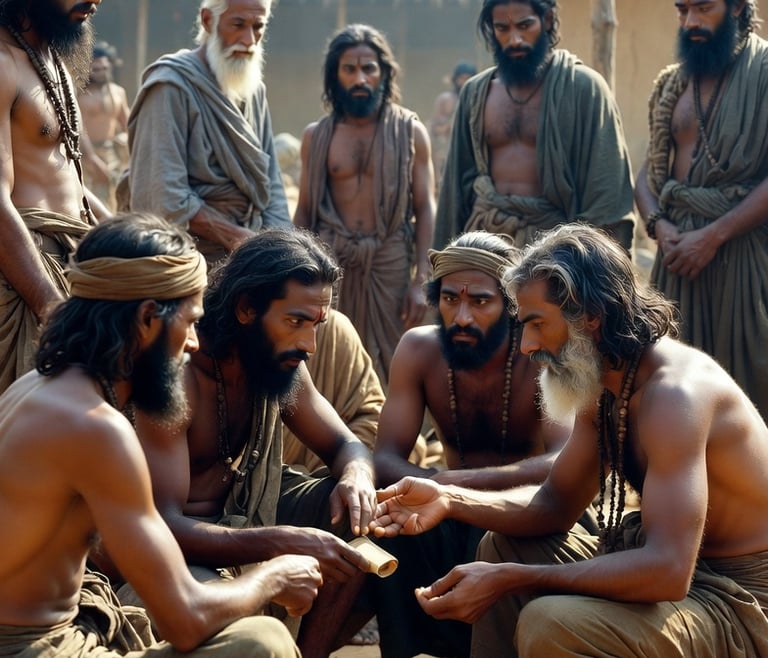
This paper presents a comprehensive historical, political, socioeconomic, and religious study of the Shakya (Pali: Sakya) republican clan-state, which flourished in the Himalayan foothills of what is today southern Nepal and northern Uttar Pradesh from approximately the eighth or ninth century BCE until its violent annihilation at the hands of Vidudabha (Viruḍhaka), king of Kosala, circa 450–440 BCE. Drawing on a triangulated methodology that privileges primary Pali canonical sources — principally the Sutta Pitaka, Vinaya Pitaka, and the Jātaka corpus — and supplements these with epigraphic evidence, archaeological data from Kapilavastu excavation projects, and the analyses of canonical secondary scholars (Rhys Davids, Thapar, Chakravarti, Kosambi, Gombrich, and Olivelle), the study reconstructs the Shakya polity across seven analytical domains: origins and legendary genealogy; constitutional structure as a gaṇa-sangha (oligarchic republic); the roster of known rulers; the economic structure and trade networks of the Shakya territory; religious life prior to and during the Buddha's ministry; the hierarchical relationship of the Shakya state to the kingdom of Kosala; and the sequence of events leading to the Shakya's military annihilation. A central finding is a critical correction of a common misconception: the Shakya were not destroyed by the Maurya Empire, which was founded approximately 130 years after the destruction of Kapilavastu. The agents of destruction were the armies of Vidudabha of Kosala, motivated by a dynastic revenge narrative recorded in the Pali Canon (DN 16; Jātaka No. 465). The paper concludes that the Shakya republic represents both a pivotal chapter in the religious history of humanity and a case study in the institutional fragility of small republican polities caught between expanding monarchical superpowers. Find the full article: https://zenodo.org/records/19185316
BUDDHA HISTORY
Charles Bronson
3/23/20241 min read
Peaceful focus.
Connect
We welcome your contributions and invite you to join the discussion.
info@buddhistmanagementstudies.or.id
© 2025. All rights reserved.